Photography's Quiet Revolution: Seeing Through Listening
Photography is called a visual language, and the push to make pictures speak drowns out the quieter narratives. What listening means with a camera, and whose gaze it serves.
We risk missing the quieter, subtler narratives in our haste to create something visually striking. If you’re intrigued by this philosophy (and promise not to rush through it), I invite you to look closely at the Come Get Your Honey series. I hope you’ll find a series of images conveying this spirit of “more listening, less seeing.”
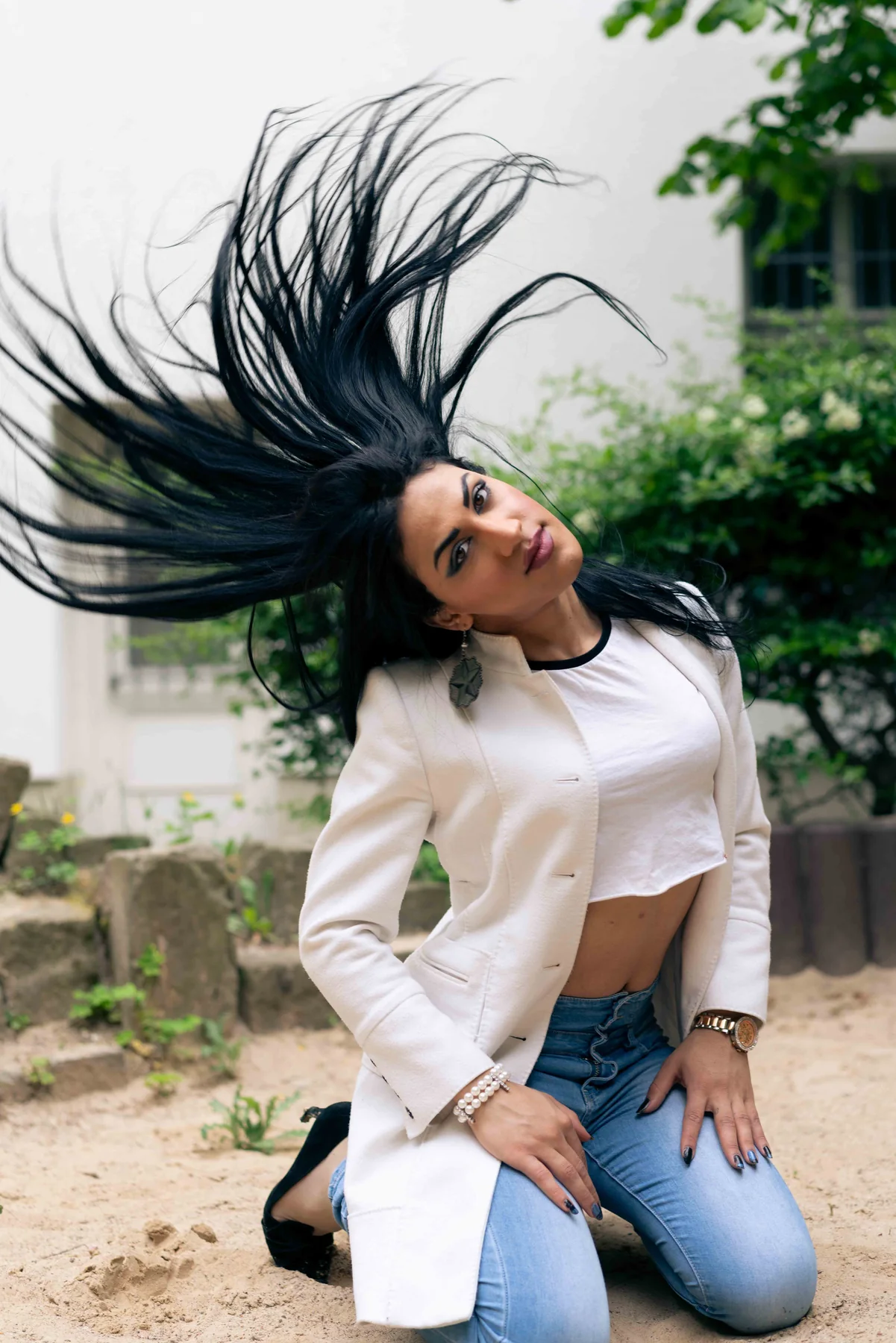
Photography is often lauded as a visual language. However, the emphasis on creating impactful, aesthetically pleasing, and message-laden images can sometimes overshadow the inherent value of quieter moments that don’t instantly seek attention. The pursuit of the ‘perfect’ shot, framing, or expression might inadvertently limit the scope of our storytelling.
We’re continually encouraged to ‘make our photos speak,’ but the question arises: Are we also willing to listen? Are we listening to the narratives, the small details, the understated emotions that a scene, a subject, or a moment might be trying to communicate? Whose gaze are we serving?
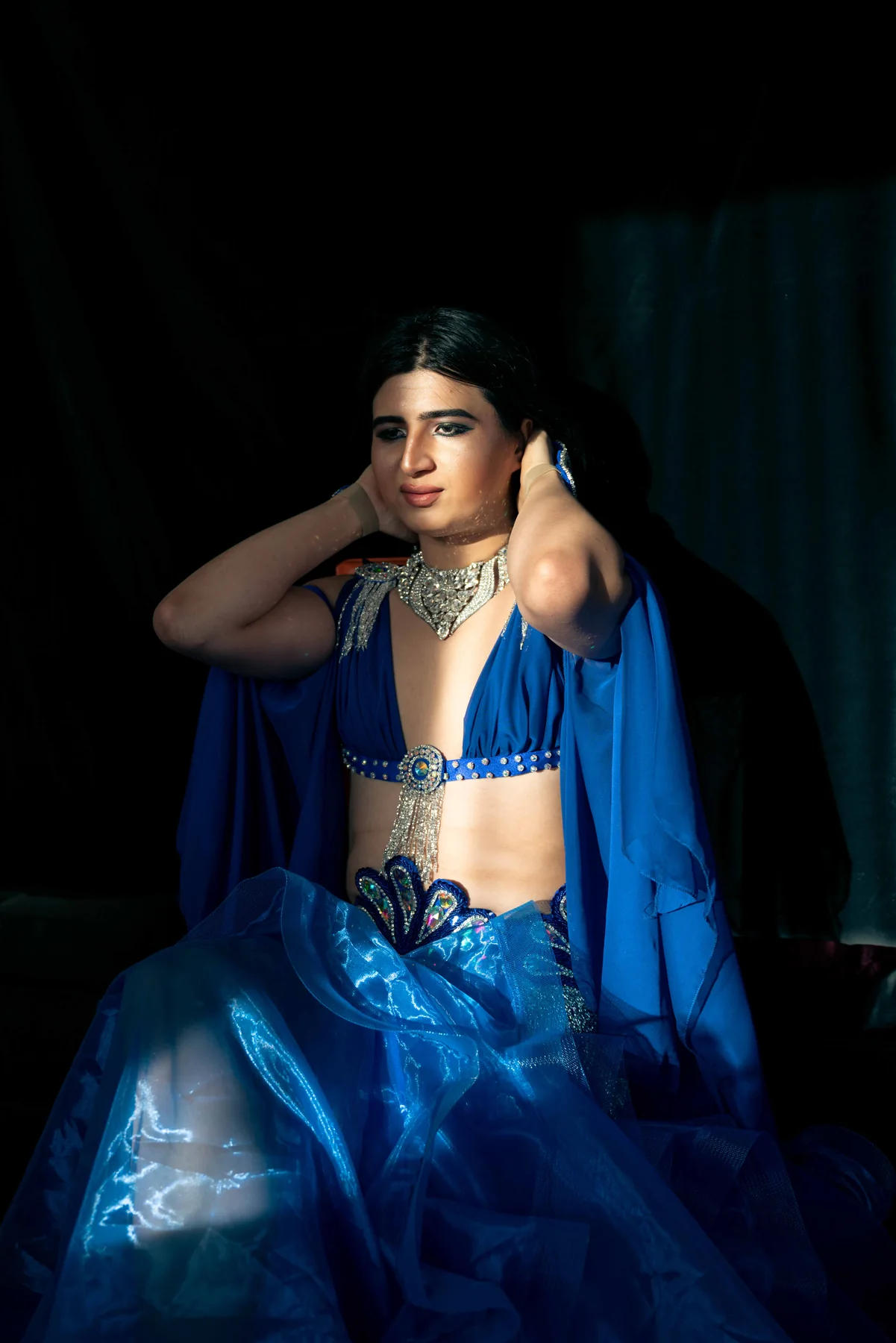
As photographers, we could let go of our urge of ‘seeing’ and bring in ‘listening.’ Like in a conversation, listening in photography involves an in-depth understanding of our surroundings, people in front of the camera, and, most importantly, our biases and preconceptions. It’s about being open to all aspects of a visual moment.
To illustrate, consider the often monotonous tone of the Google news alerts I receive concerning ‘LGBTQIA+ refugees.’ The stories are invariably dark (and valid), intended to get my attention as if they represent the only reality. But as a photographer, I’m challenged to look deeper, to listen for the subtler narratives beneath the sensational headlines.
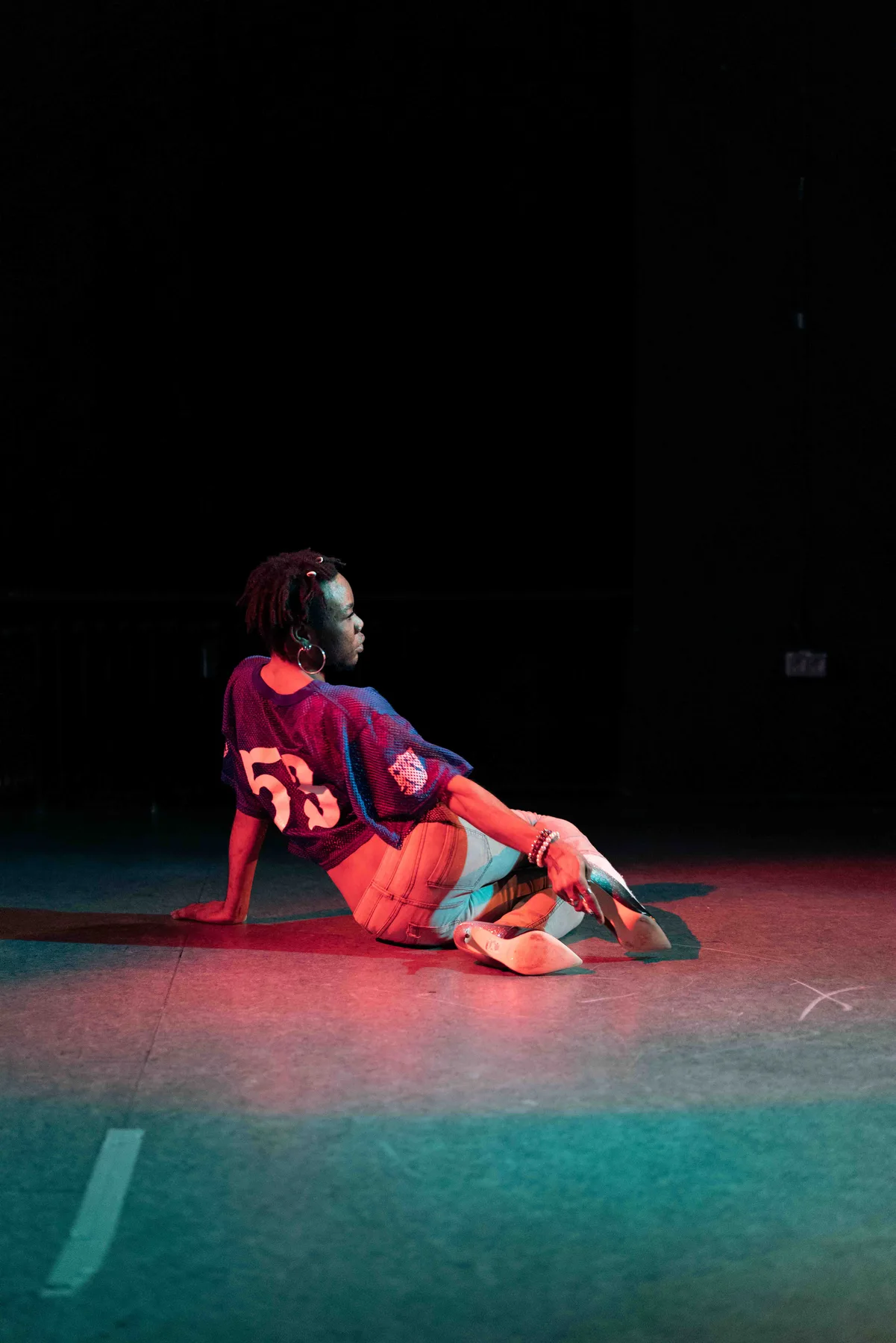
A photo that doesn’t conform to traditionally celebrated aesthetics or doesn’t instantly reveal a clear message might be disregarded in a world that’s often in a hurry. Yet, it might also be the one that tells the strongest story to those willing to ‘listen.’
When was the last time your camera heard a story?
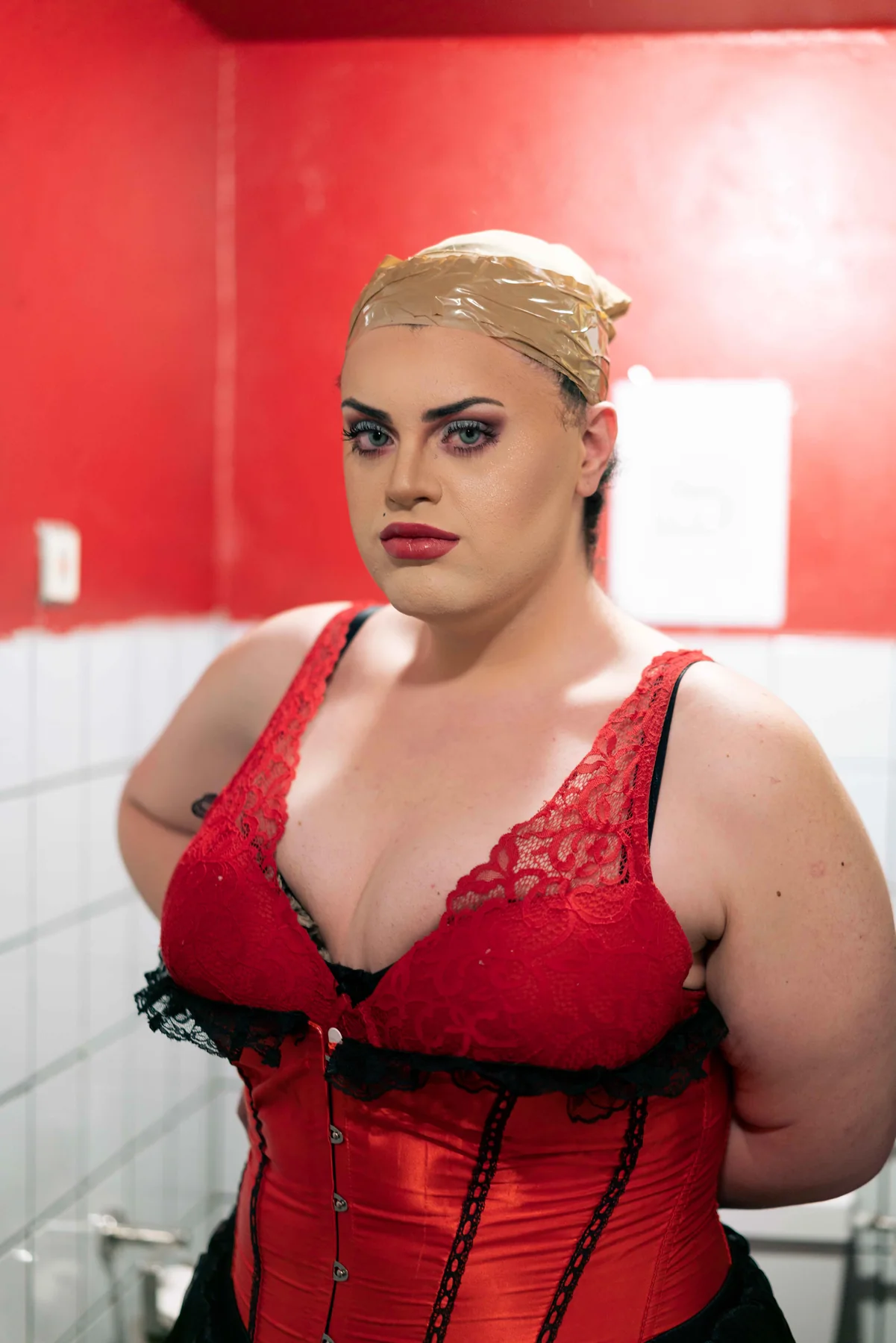
I first talked this idea through at the Photobook Fair in Bradford in 2021; the talk Photography as Listening, with its transcript, is in the journal.