2020s Photography in 6 Principles
Visual fidelity, tension, the one picture, metaphor, who is behind the images, and why. Six principles for photography now, and the two that make a viewer look at the artist as well as the art.
Dare to pause.
Dare to look closer.
Dare to understand the essence of photography.
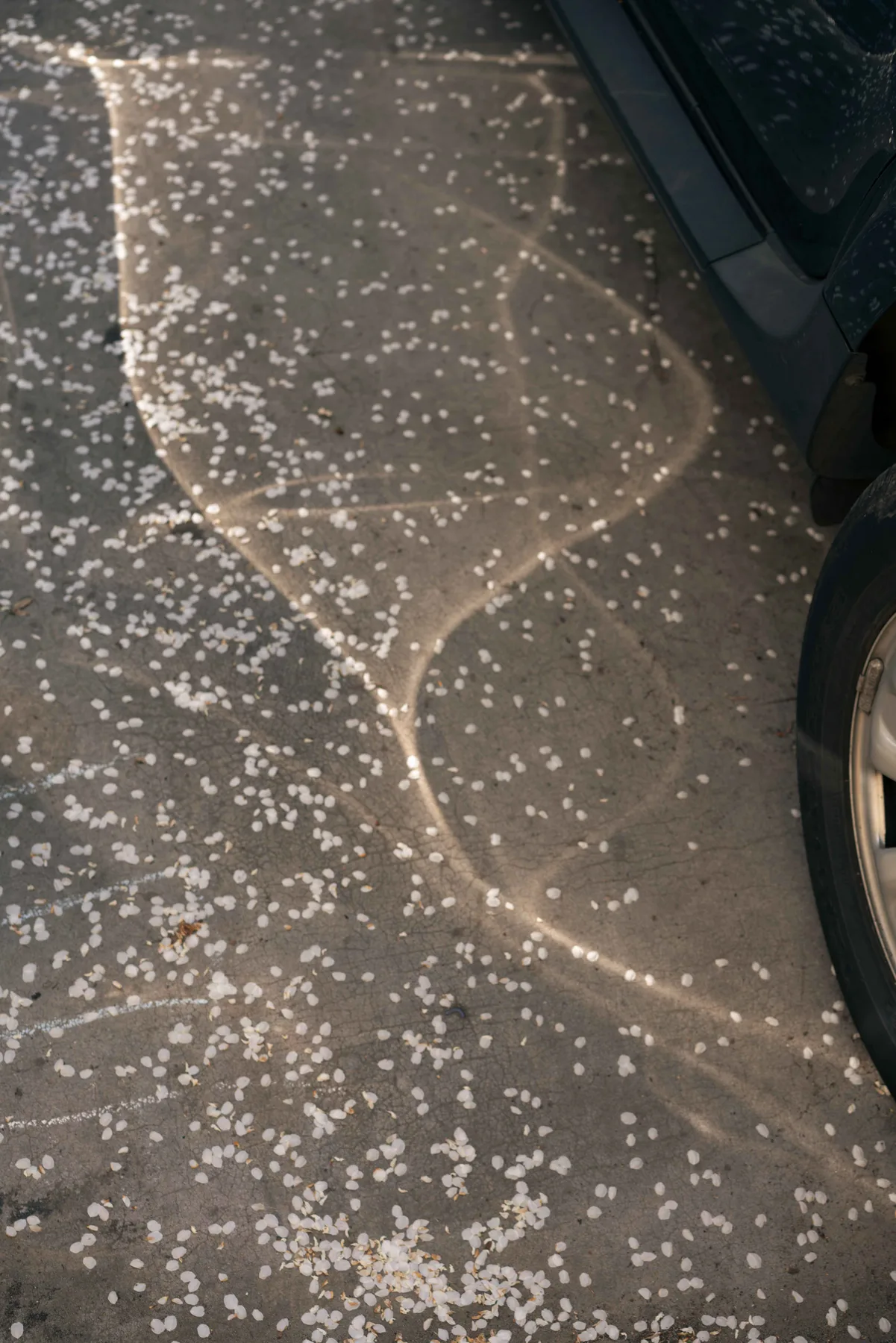
What if we are entering an era where we have time to examine what’s in front of us? Let’s talk about 2020s photography, but forget for a moment the generative artificial intelligence, machine learning, lens-free cameras, 3D images by Apple Vision Pro, Midjourney, augmented and virtual realities, NFTs, and social media platforms that seem to be commanding much of our attention (or should I say, doom scroll). I’d rather look at the essence of capturing a moment, an emotion, or a thought within the confines of a frame. To me, there are 6 elements, and we tend to overlook the last one.
1 - Visual fidelity is the first principle we encounter. We expect an image to look exceptional, even intentionally blurry. As we are submerged in an ocean of images (billions of cameras, trillions of photos), the drive for good visual quality has become a given.
2 - Then we have tension, a feeling or an idea that grips us and refuses to let go. A unique facial expression, a landscape painted with gorgeous colors, a crafty installation thought out to the last detail, or a collage weaving unexpected materials together. These elements ‘charge’ an image, making it magnetically hold our attention.
3 - If it is a series of images, the artist ensures there’s a million-dollar shot. In the best case (with additional curatorial power), the remaining photos layer meaning but do not necessarily add more visual quality. Nobel-winner Annie Ernaux opens her book, The Years, with “All the images will disappear.” And if you are lucky, that’s that one picture we will remember from an artwork, if not from the artist’s whole career (no pressure here). Photography is funny. It is a sequential art mostly, either done by us, editors or curators, but then what we all remember is that one picture.
4 - Going deeper, we come to metaphor and depth. An image that speaks a language we understand, but doesn’t disclose all its secrets at first glance, pulls us into a closer inspection, a dialogue. Think about all the pictures showing someone’s back, instead of their face.
Are we done?
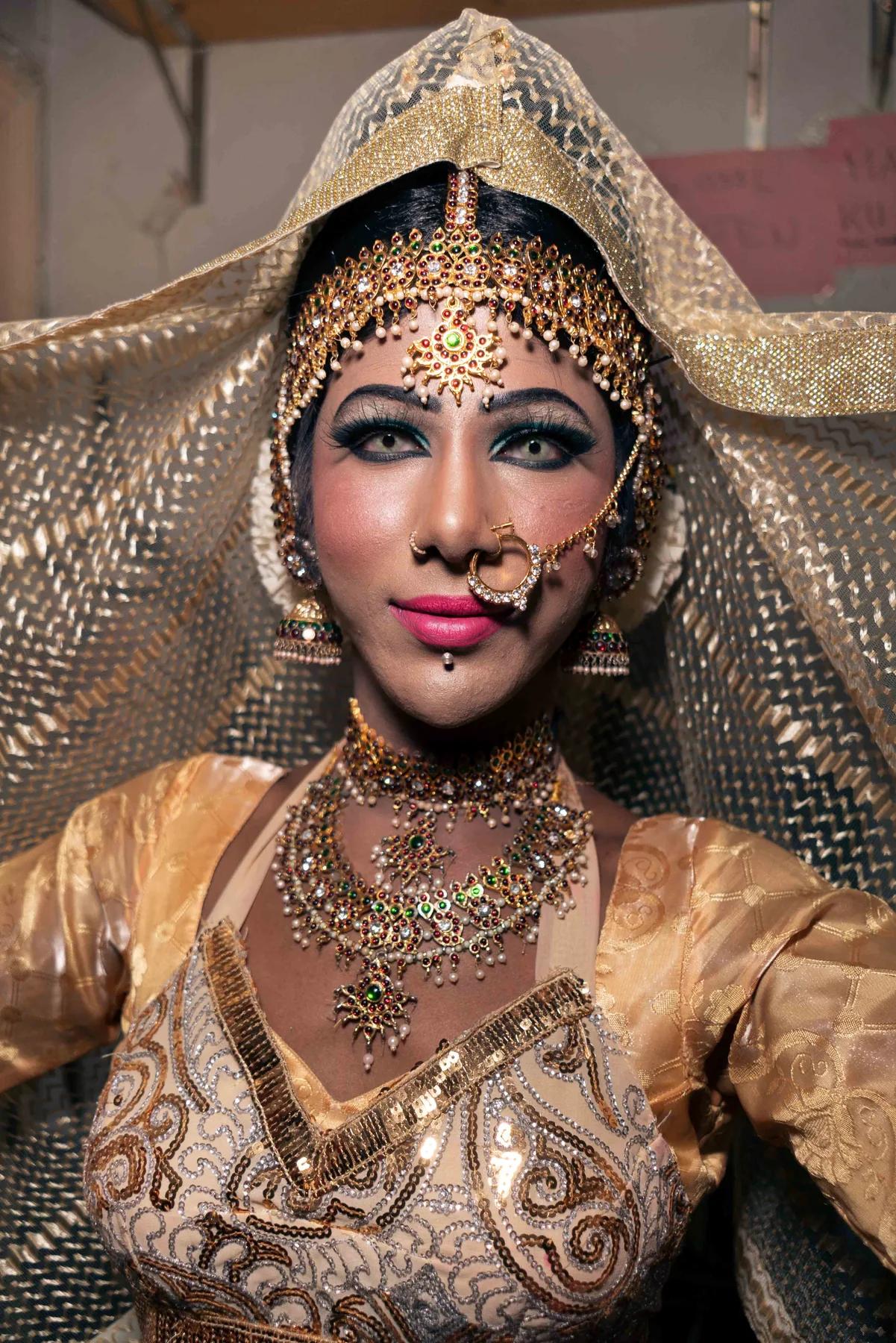
Not yet.
These four principles, I believe, cover 98% of the photographic artwork you see today (making some educated estimations here). But what about the remaining 2%? What about the factors that make us look at the artist as well as the art?
5 - The question, “Who is behind the images?” propels us toward the next principle. It could make us pause and consider: Are there enough voices represented? Is the artist’s identity (gender, location, age, sex, ability, ethnicity, or socioeconomic status) intertwined with their subject matter? Is the diversity in front of the camera or behind?
6 - The final principle is obvious, yet it’s often overlooked. People feel it immediately, and we might call it ‘authenticity.’ It’s the question of “Why?” that drove my monograph Come Get Your Honey. Why do I choose to tell this particular story? Whose gaze do I want to serve? Do I expand the interpretations of its ‘subject’?
Considering these questions, photography could reach new depths and unseen levels of quality. I encourage us, then, to look deeper instead of further. The future of photography is behind the camera as well as in front of it.
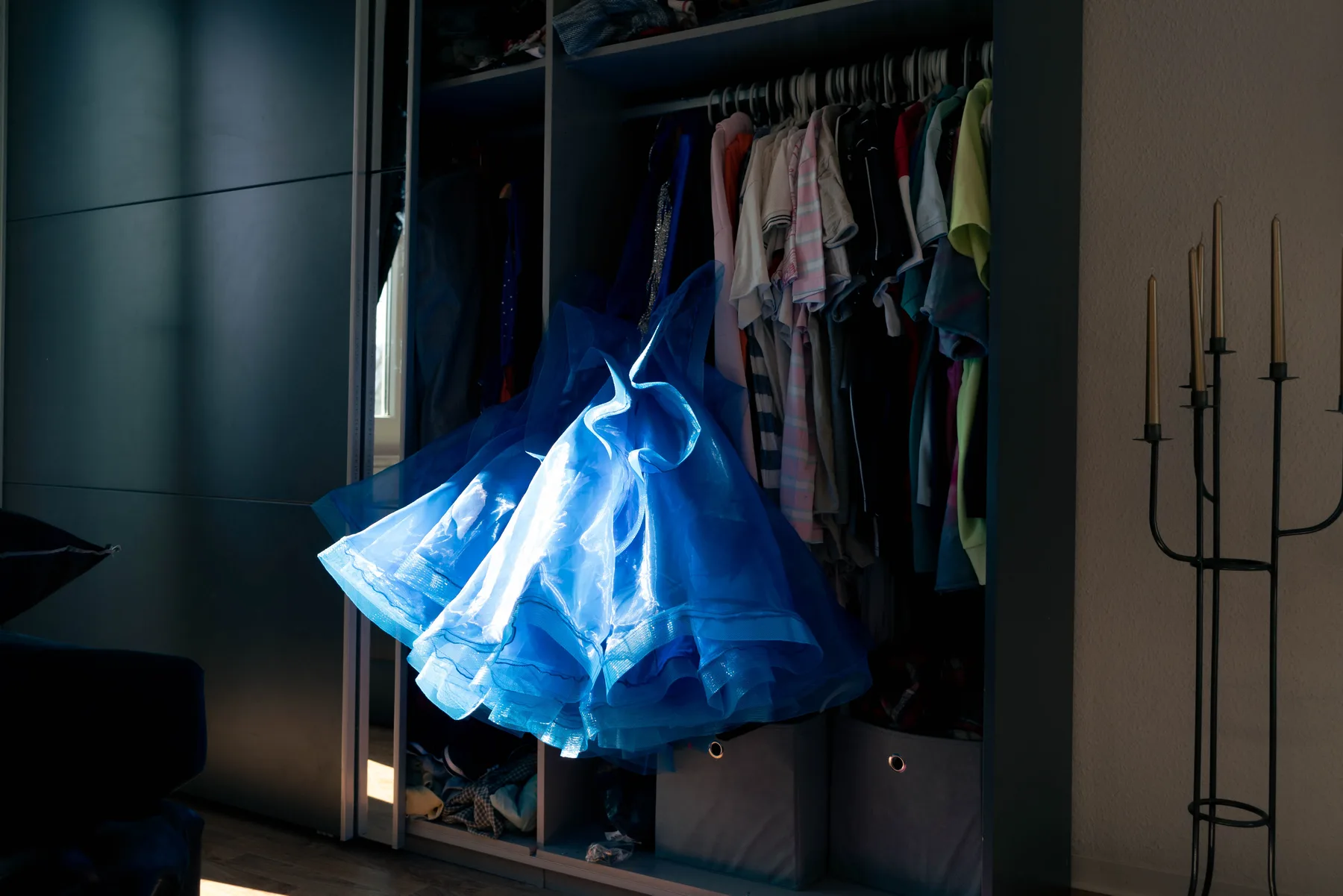
An earlier, five-principle version of this essay was written in 2021 for HALLE4, Deichtorhallen Hamburg’s #photography2050 series; that earlier #photography2050 essay is in the press archive. The sixth principle’s question, whose gaze a photograph serves, is the subject of Photography’s Quiet Revolution: Seeing Through Listening.