Soft Activism: The Art of Quiet Transformation
A definition of soft activism (advocacy that changes minds without shock or emergency), and why a photographer of queer refugees in Berlin chooses it over the expected distance.
Traditionally, an activist is characterized as someone who advocates for political or social change through organized efforts. However, I find myself diverging from this label. As a soft activist, I seek to instill change subtly, inviting others to consider new perspectives and weaving narratives that work their magic behind the scenes.
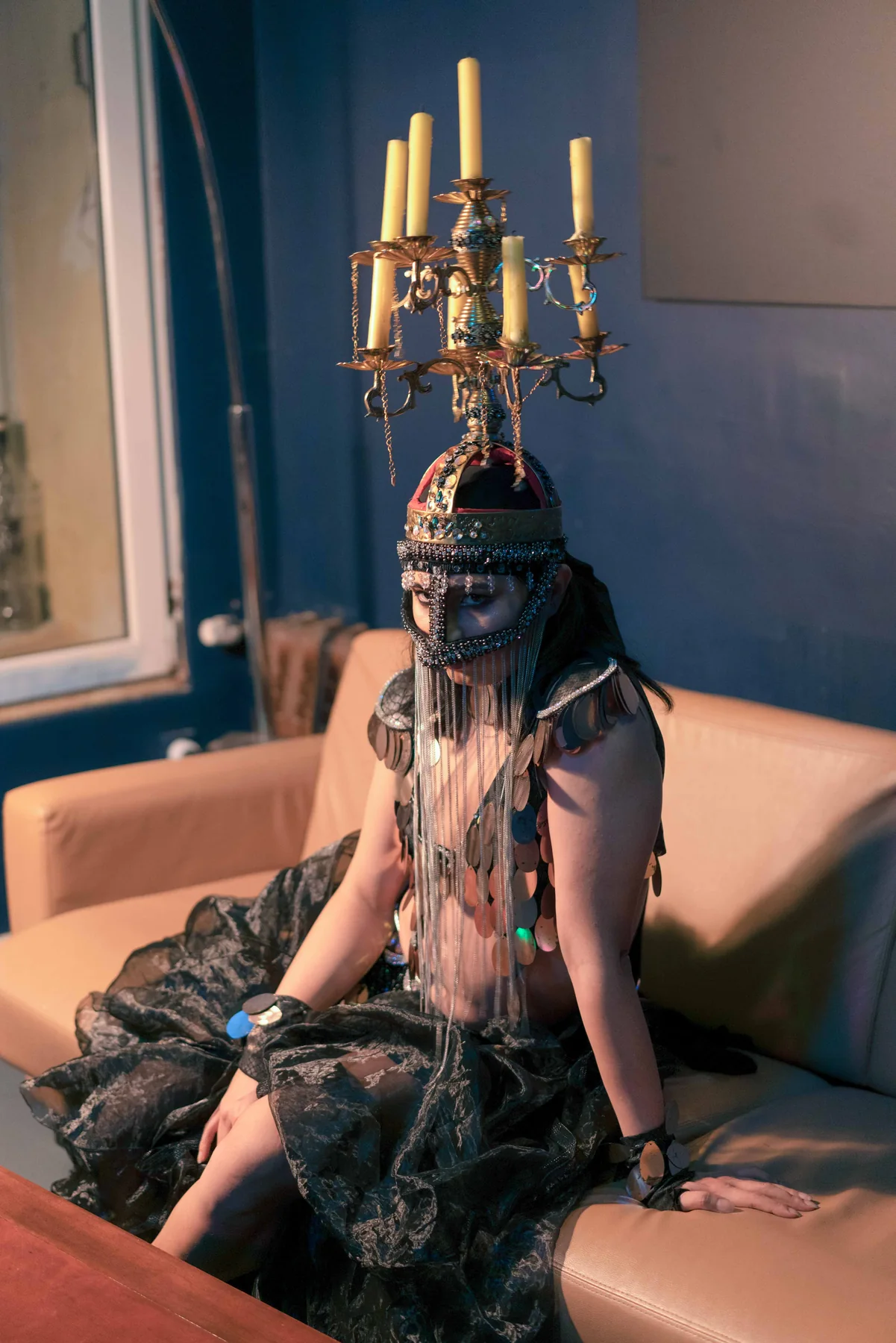
Soft activism doesn’t have a clear definition online that I hope for, so I’ll define it here (big responsibility): A subtle form of advocacy that gradually influences hearts and minds without causing shock, emergency, or disturbance. This approach may be less ‘visible’, yet its deep roots can bring about lasting transformation over time.
As a photographer, particularly one focused on portraying people, there is often an implicit expectation to advocate for specific causes through images. Renowned photographers such as Zanele Muholi, Nan Goldin, and Wolfgang Tillmans have been celebrated for their proactive involvement in causes, capturing different communities through their lens. I love and celebrate their work.
The media often molds our expectations of what photographers should do and what topics they should consider relevant. There’s a tendency to expect photographers to depict well-defined communities from an ‘optimal’ distance, close enough to evoke empathy but not so close as to feel politically confronting. Otherwise, your art is suddenly political and goes into another category.
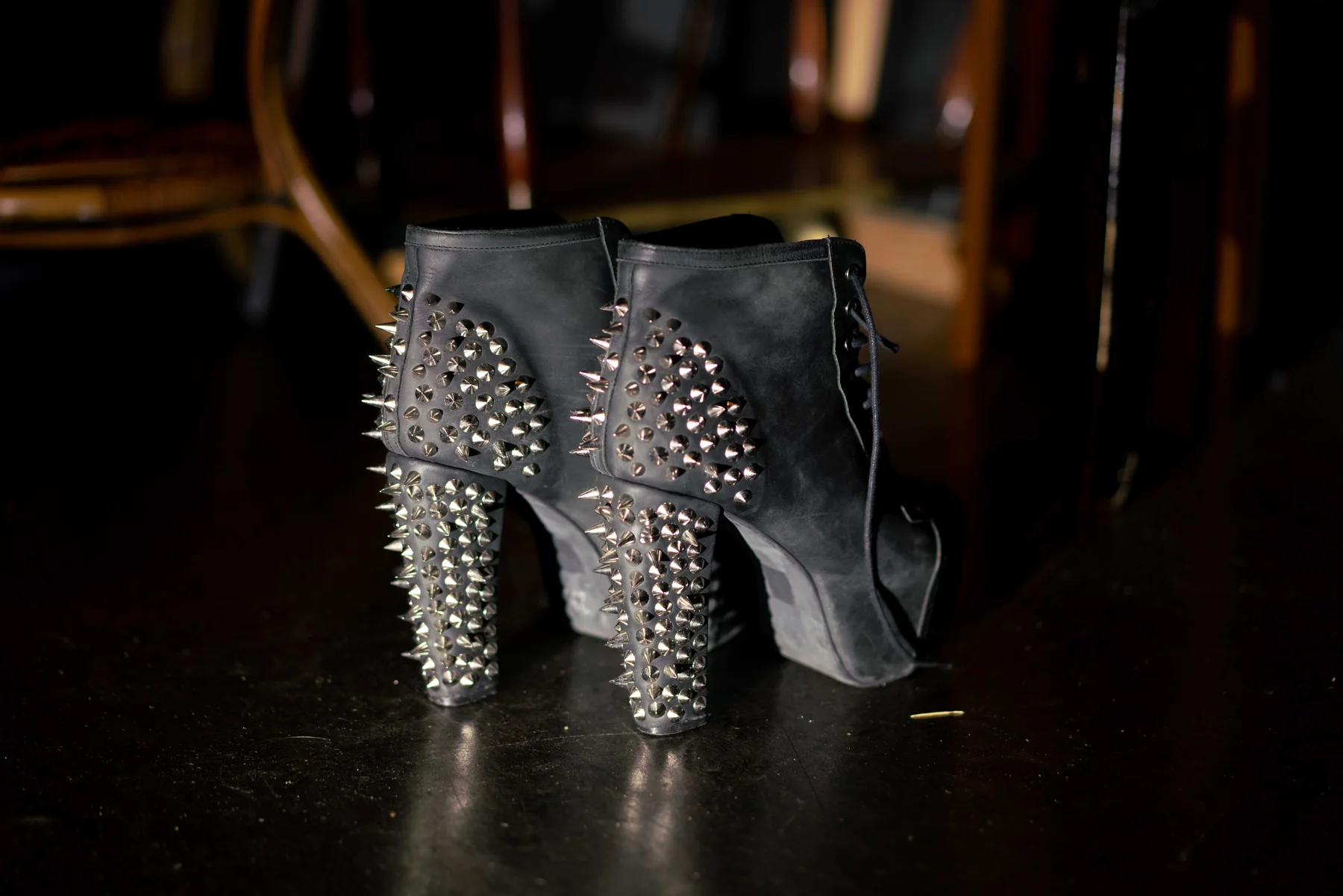
Martha Rosler asserts in one of her interviews, “The ‘non-artist’ art world prefers art that doesn’t direct their attention to the now … They prefer to see it as something that helps them move away from concerns of the everyday … Art has an obligation to speak to people about the conditions of everyday life, not necessarily to make them feel insuperable, quite the opposite, to remind them that they are engaged citizens.”
In my photo book Come Get Your Honey, I explore various aspects of identity within Berlin’s queer refugee folks. I create space for individuals to engage with my art at their own pace without aggressively promoting an agenda or rallying crowds for immediate change. My work invites introspection, the discovery of shared human experiences, and, over time, the quiet transformation of perspectives.
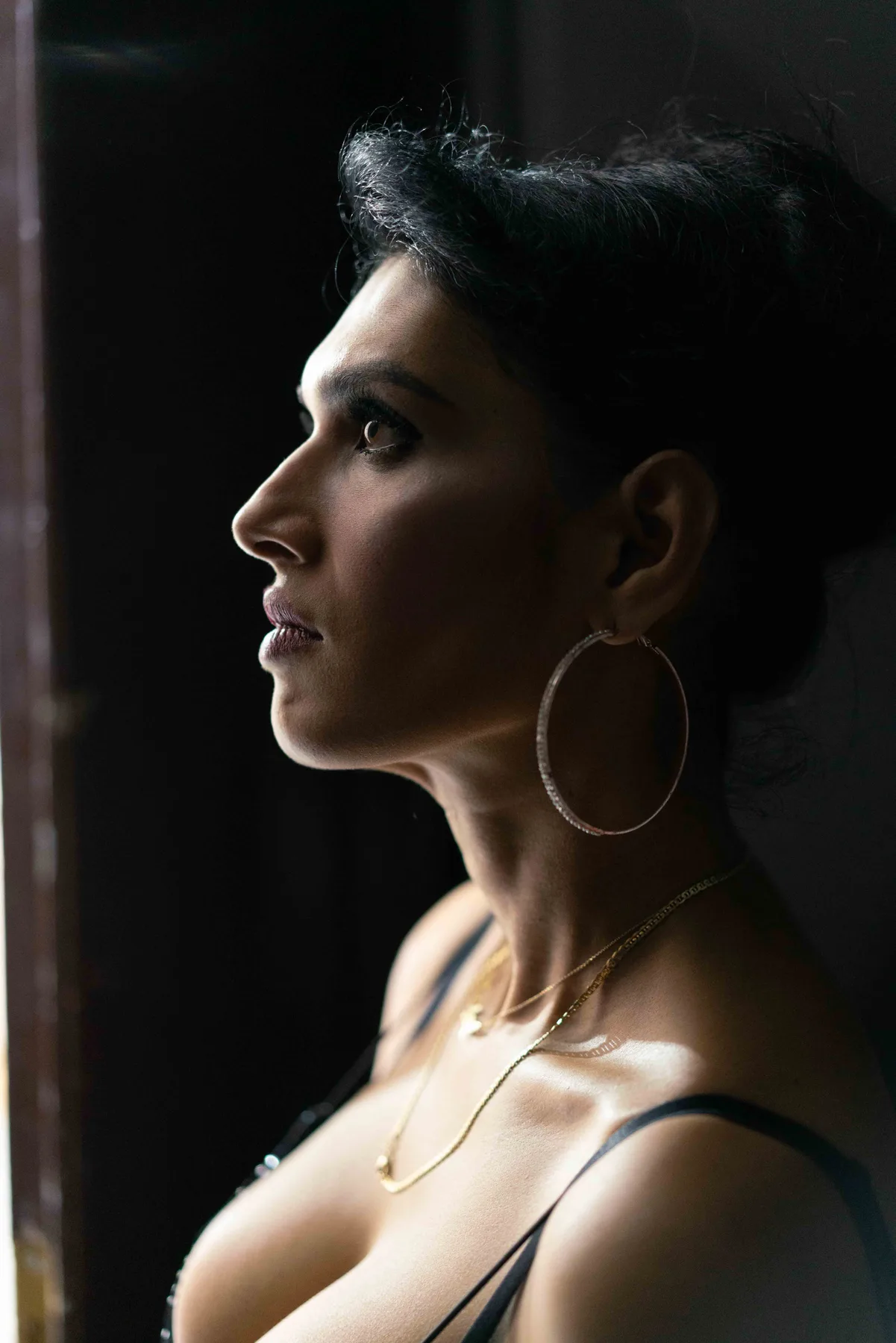
As the curator Marianne Ager puts it: “Soft activism insists, though quietly, on continuing the conversation. It is strong-willed but tolerant. It builds bridges instead of digging trenches.”